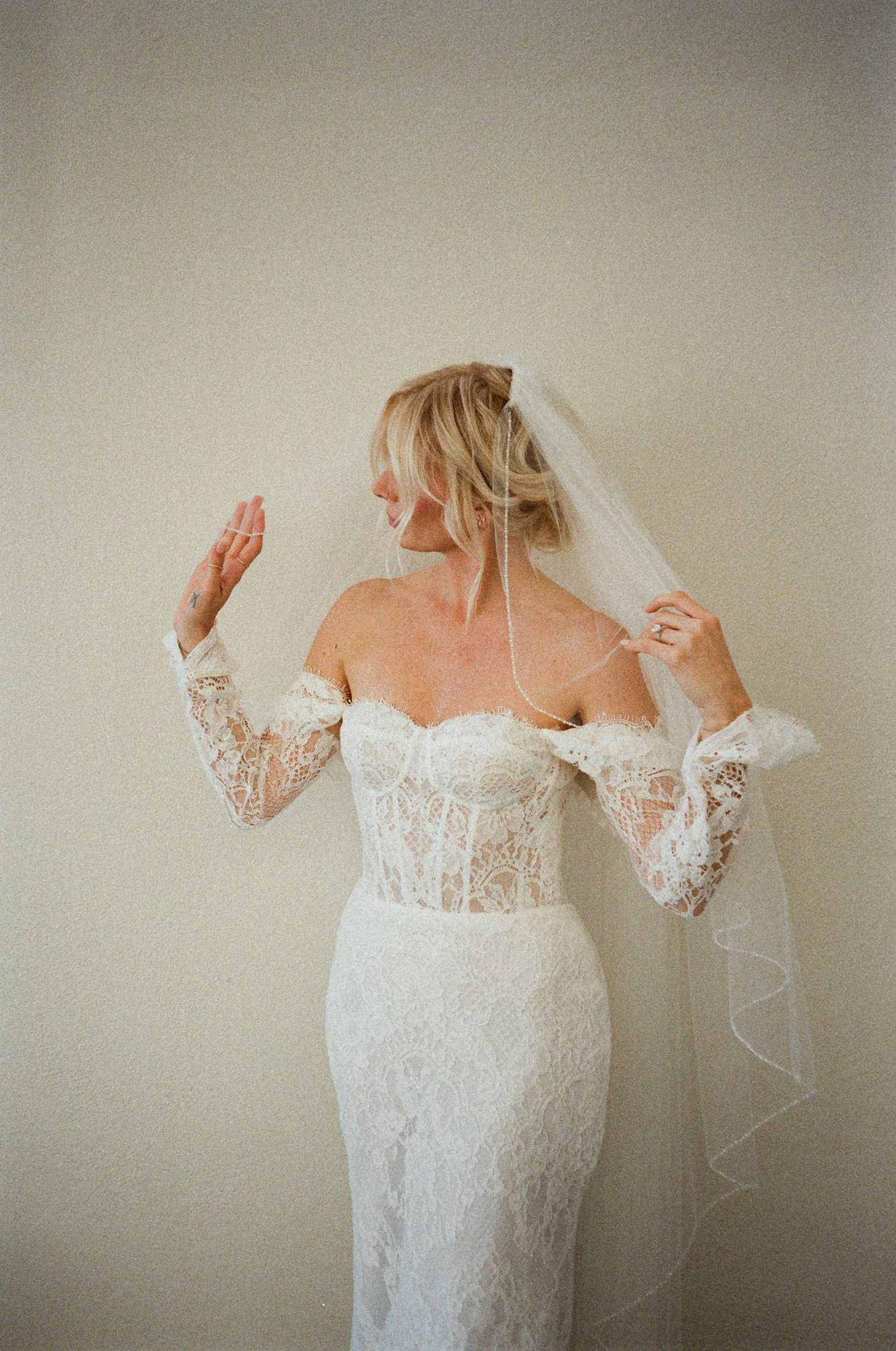
Analogue Photography Belongs on Your Wedding Day
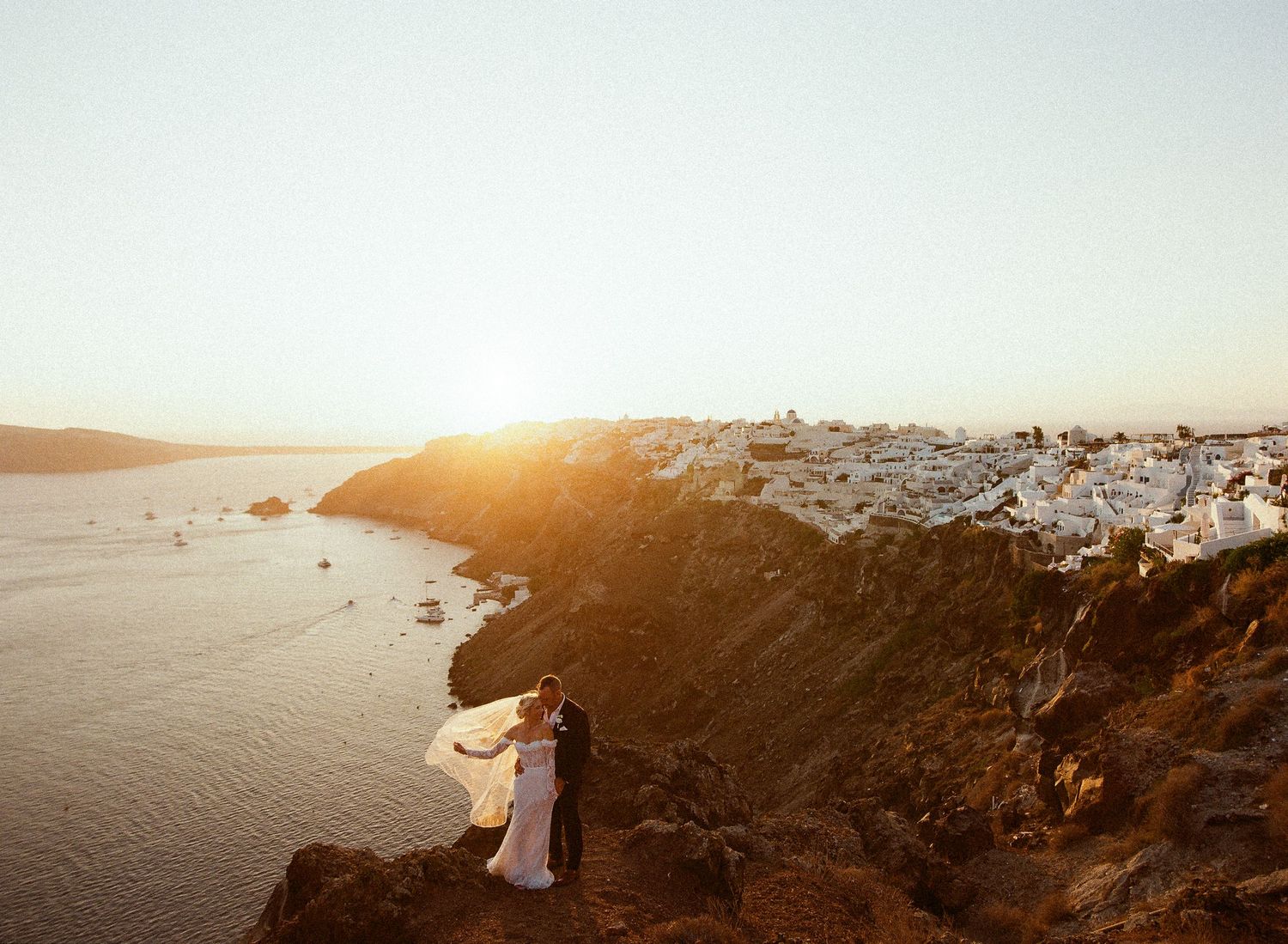
A considered approach to wedding photography, combining digital coverage with analogue film to create a record that is both complete and enduring.
Why include film in your wedding day?
- Film creates images that are chosen, not repeated
- It produces a physical archive, not just files
- It works alongside digital, not instead of it
- It adds weight to the moments that matter
When everything can be photographed, the act itself begins to change.
Digital photography made wedding coverage faster, easier, and more complete. In doing so, it removed many of the limits that once shaped how photographs were made. The result is not only an increase in images, but a shift in how they are experienced. Photographs are produced continuously, delivered quickly, and absorbed into the stream of everything else that lives on a phone or a drive.
This is not about film making a comeback. It is about what happens when those limits return.
Analogue photography operates under different conditions. It introduces constraint, delay, and a different threshold for making an image. Those conditions do not replace digital coverage, but they change how photographs are made and what they become over time. That is where its value is.
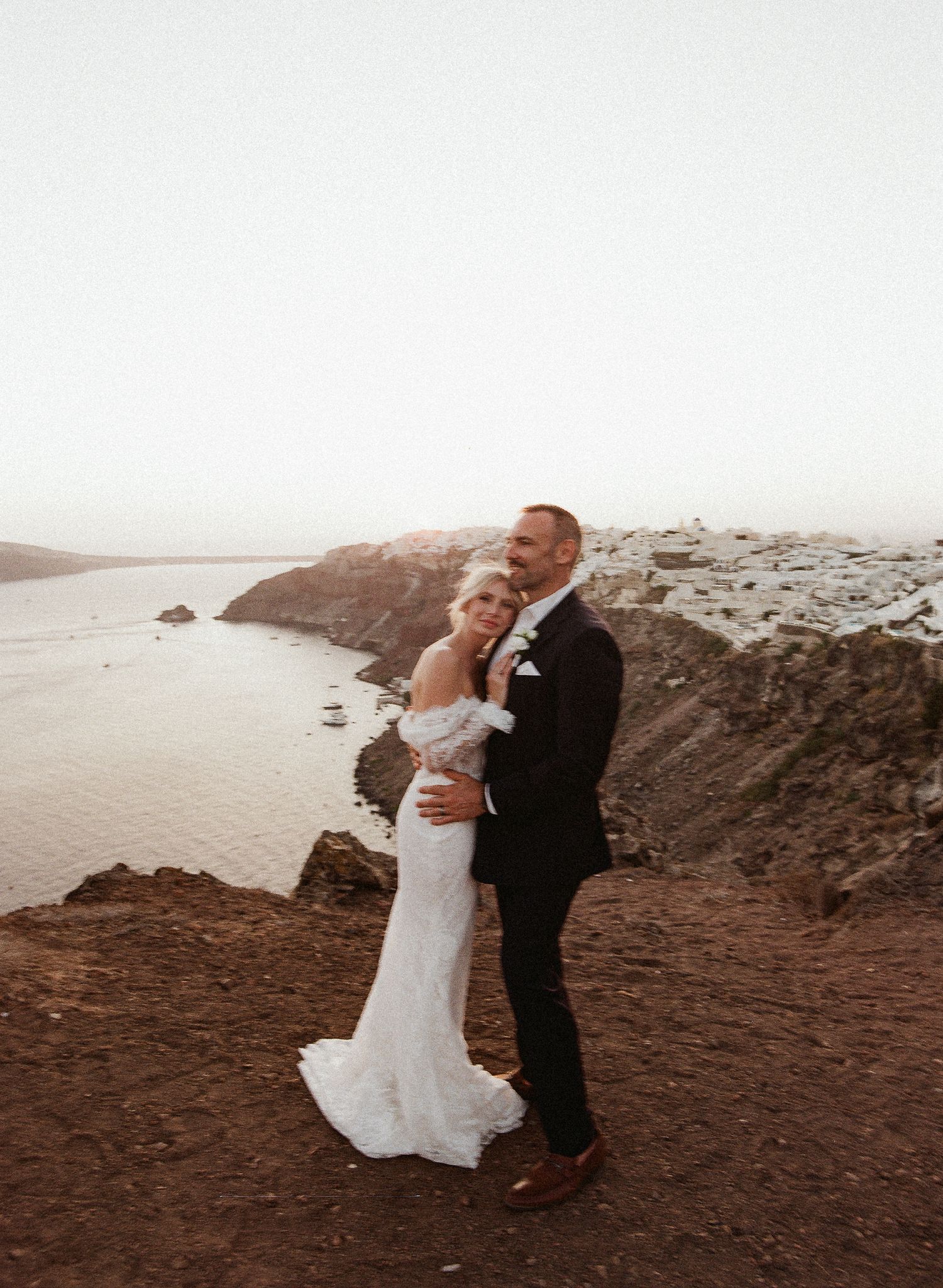
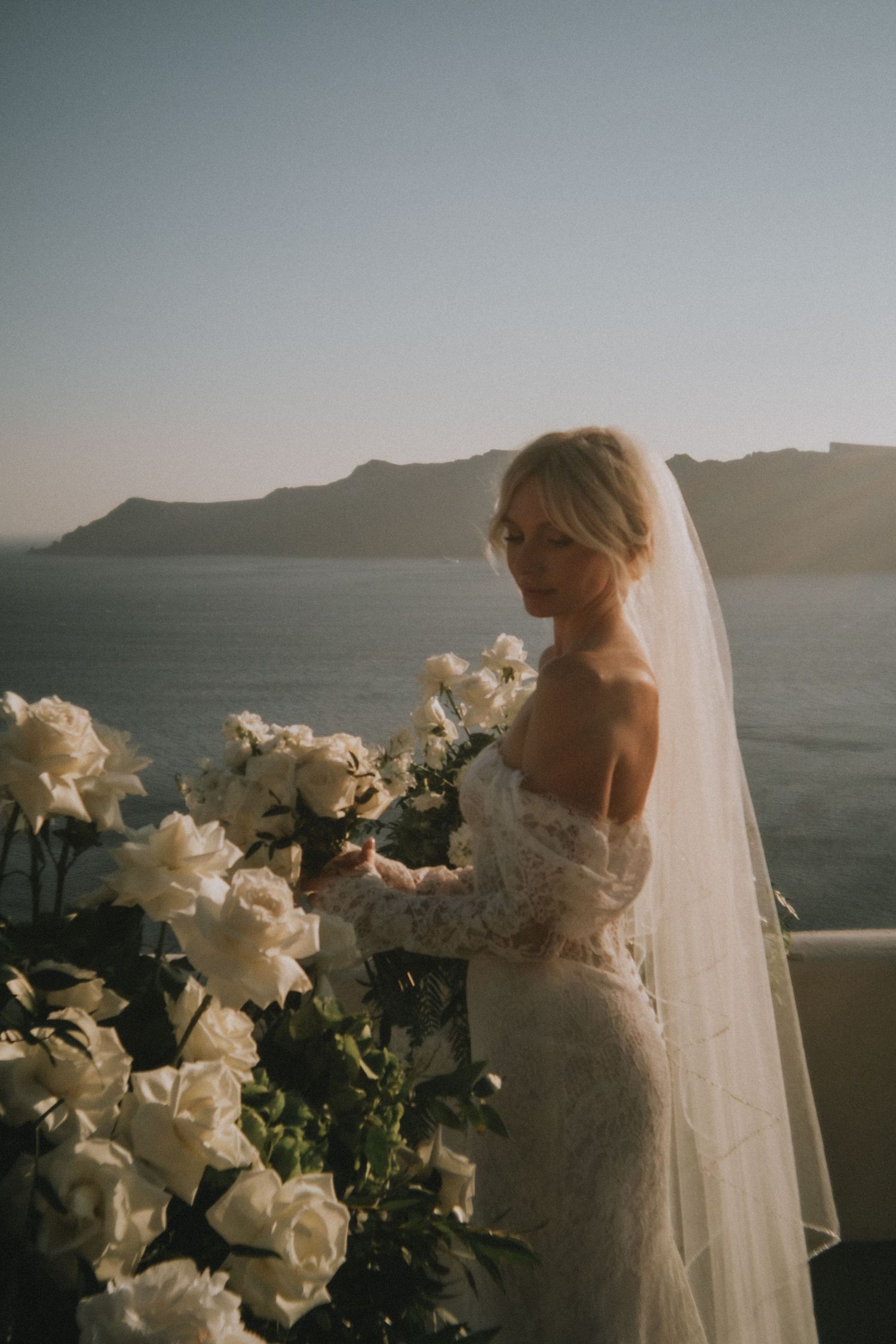
01 — How Film Changes the Way a Wedding is Photographed
Film should not be included in a wedding day because it is fashionable or because it signals a certain kind of taste. Its value has little to do with trend, and less to do with how it looks than most people assume. What matters is the way it changes the act of photographing.
A photograph is never neutral. The moment a camera is raised, a decision is made about what is worth holding onto. Photography is always an act of selection.
Digital photography makes that act easy to repeat. A frame can be made, checked, adjusted, and made again, allowing for complete coverage. Film works under different conditions. There are fewer frames, no immediate feedback, and once the frame is made, the moment moves on.
That shift changes the threshold for taking a photograph. Instead of relying on repetition to secure a moment, the photographer has to recognise when it is worth capturing in the first place. The decision happens before the shutter is pressed, not after. Film makes photography less reflexive and more deliberate, moving it away from accumulation and toward recognition.
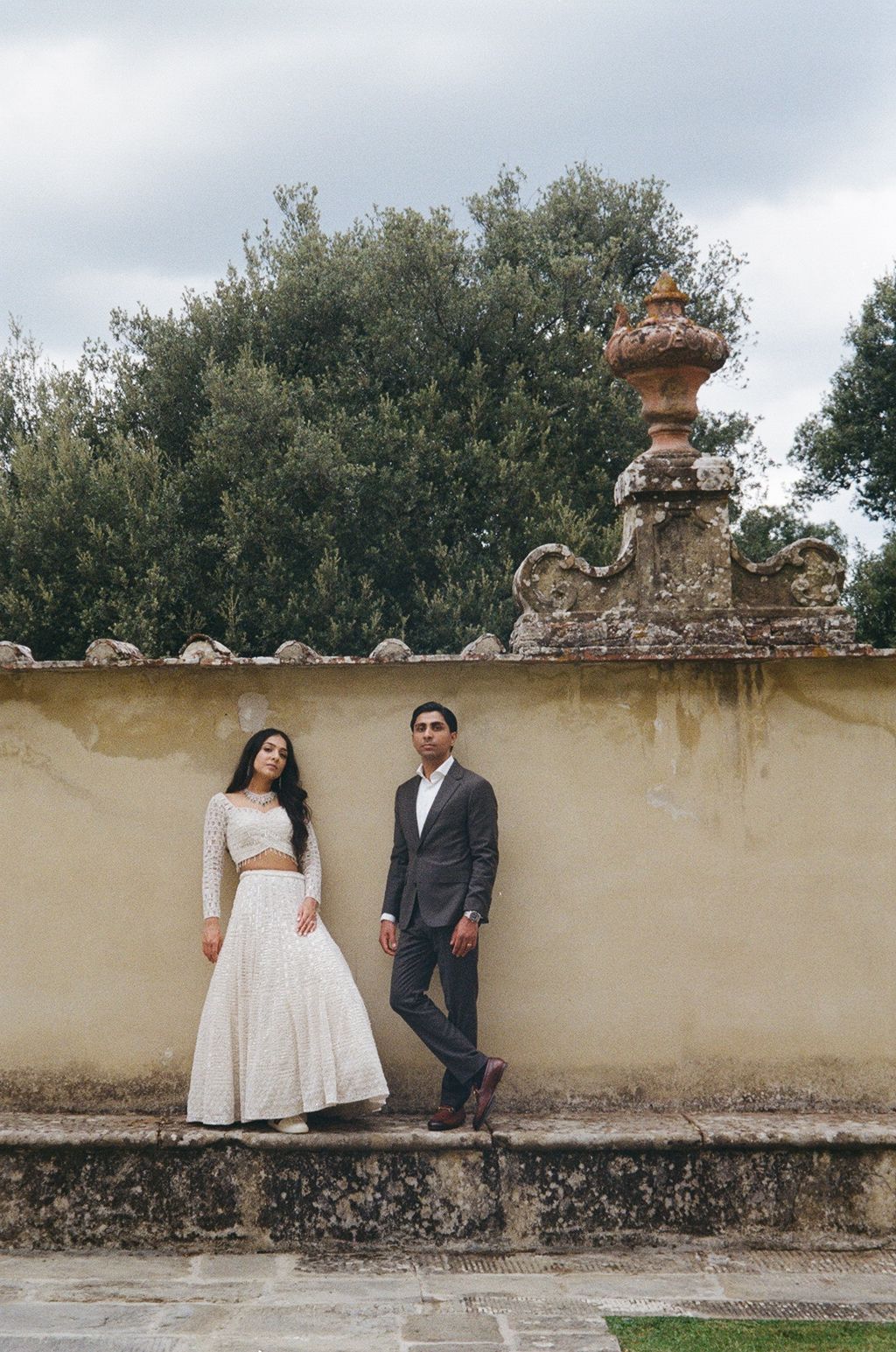
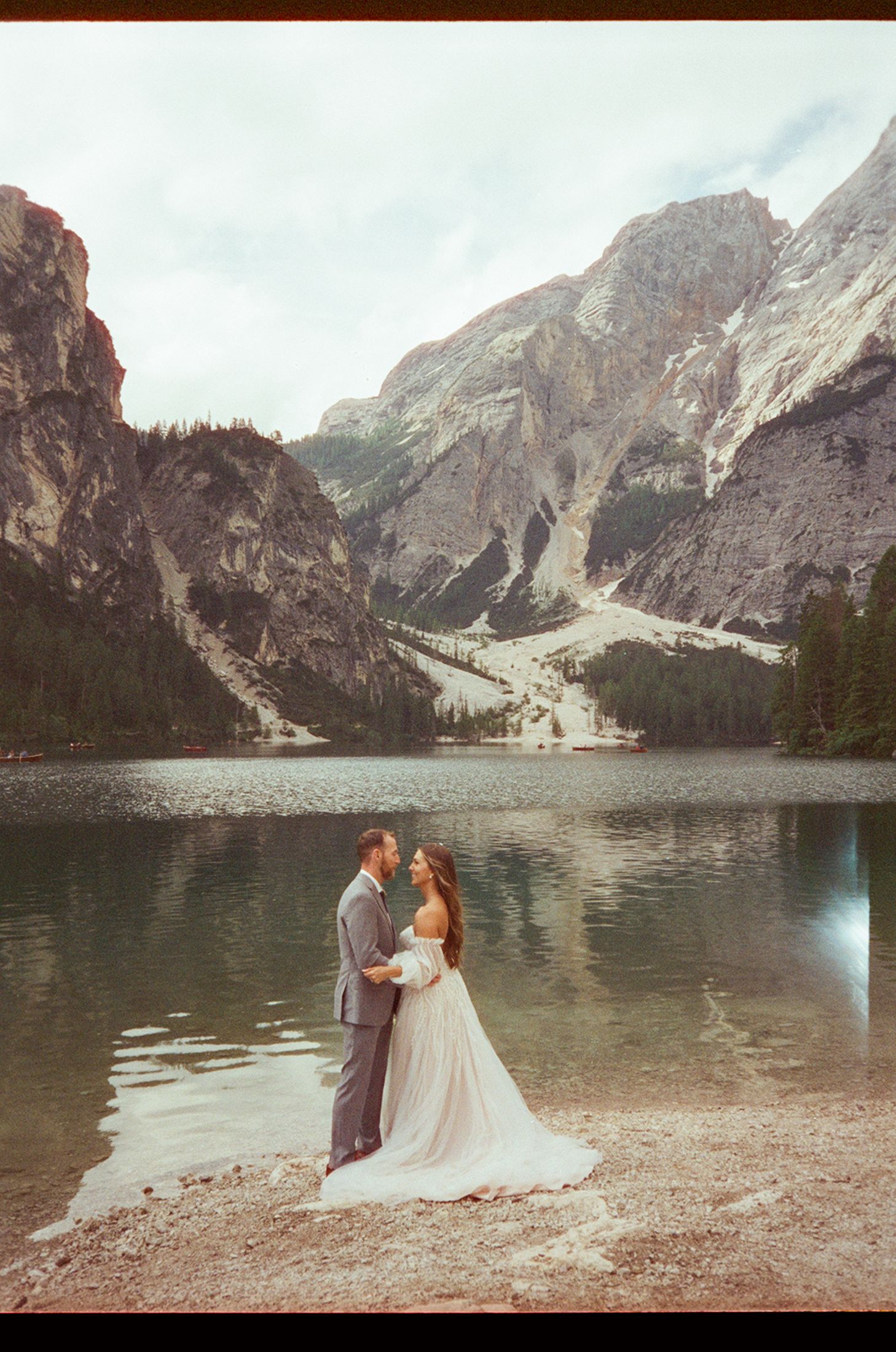
02 — Film Changes the Rhythm of the Day
A wedding day already has its own pace. Things overlap, people move, and moments pass quickly. Digital keeps up with all of it, allowing everything to be covered.
When everything can be photographed, the act itself begins to lose weight. Moments are captured as they happen, often before they have fully settled, and the camera follows the day rather than interpreting it.
With film, not everything can be photographed, so something has to be chosen. Attention shifts. Instead of reacting to everything, the photographer waits for something to take shape, letting some things pass and holding for others.
When the shutter is pressed, it is because something has resolved into a decisive moment. That decision changes the photograph. It is not made casually or out of reflex, but through recognition and commitment. The image becomes a record of that recognition, not just of what was in front of the camera.
This is why film works best as an accompaniment. Digital holds the structure of the day together, while film moves alongside it, entering at different moments and noticing different things. They are not doing the same job.
Film is the archivist of the day. It is there to choose, and to keep.
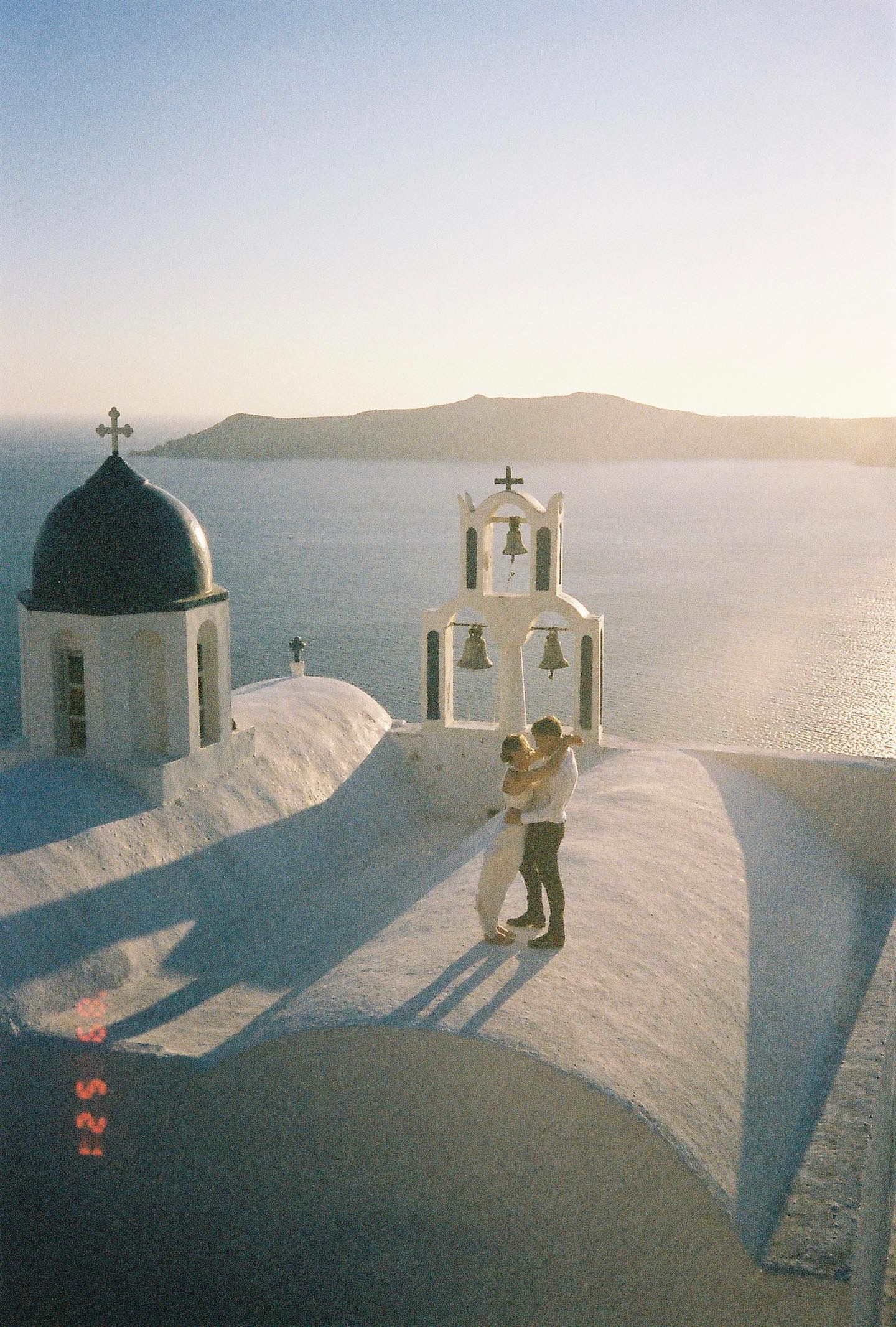
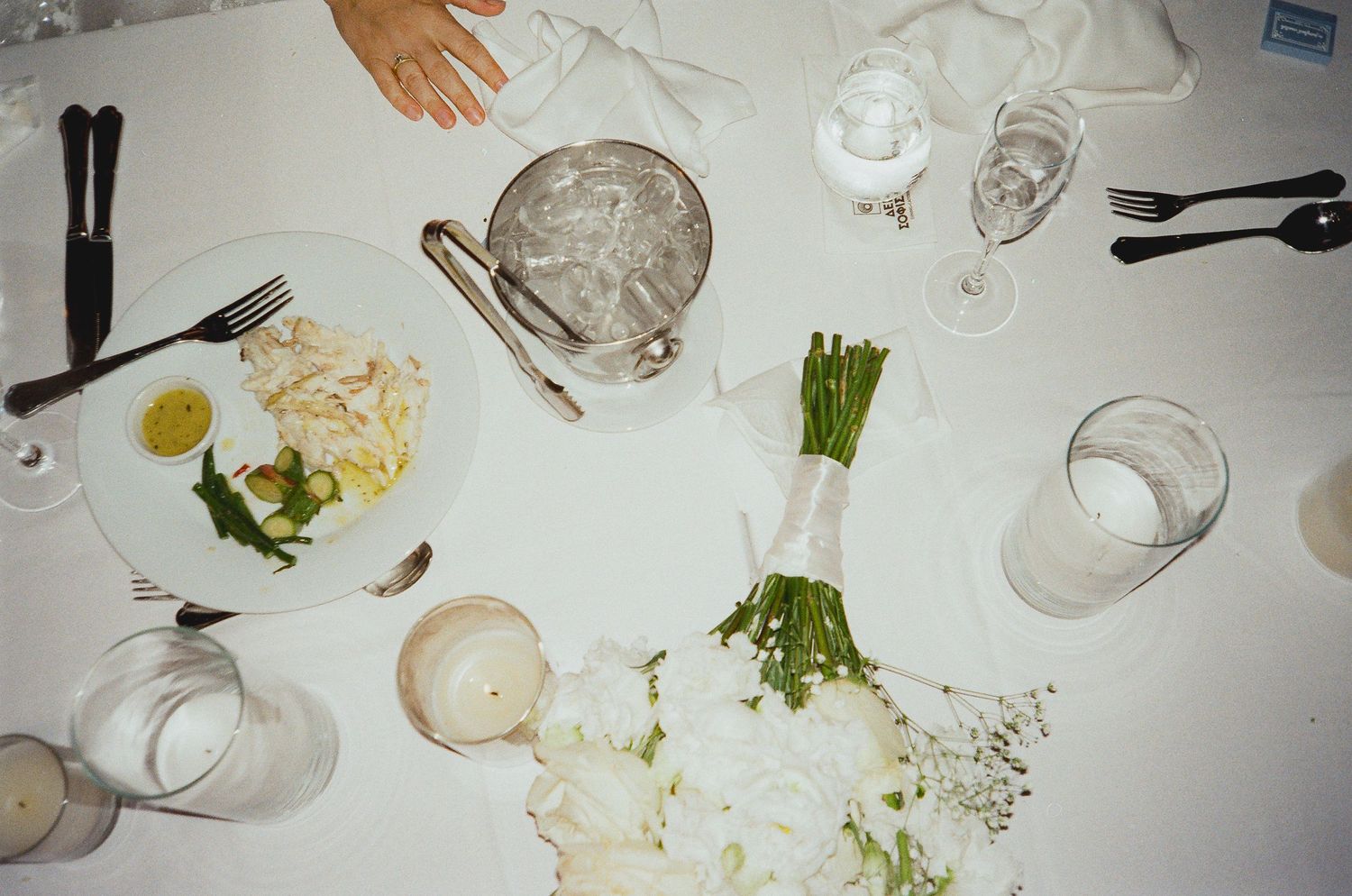
03 — The Archive Matters
Most wedding photographs today exist as files. They are delivered, shared, and stored across devices and platforms, then gradually folded into everything else that lives on a phone or a drive. They remain accessible, but they do not always remain present. There is a difference between having images and returning to them.
Film introduces something else. Not just scans, but negatives, which are a physical record of the day that exists independently of any system. It does not rely on a platform or a format that may change over time. It can be revisited, re-scanned, and reprinted.
This raises a practical question: will your children, or their children, be able to access your images as they exist now?
There is no clear answer to that, which is why printing matters. Not as a nostalgic gesture, but as a decision. A photograph changes once it leaves the screen. It becomes something encountered rather than searched for, something that exists in space and can be returned to without effort.
Film leans in that direction because it begins as something physical. But the broader point remains: an archive should not rely entirely on a screen.
If you’re planning a wedding and want your photographs to exist beyond the screen, I’d be happy to talk through how this works in practice.

04 — The Limits That Give Film Its Value
Film is not there to carry the full weight of a wedding day. Even when used as the primary medium, it does not move continuously in the way digital does. Rolls end, cameras need to be reloaded, and time passes between frames. These interruptions are not inconveniences. They shape the act of photographing.
Because film cannot follow everything, it requires anticipation. The photograph is no longer just a reaction to what is happening, but something sensed slightly ahead of time. The camera steps in and out of the day rather than chasing it.
This is why film is often misunderstood as being less suited to candid moments. In practice, the opposite can happen. When not everything can be photographed, attention becomes more precise. The photographer recognises what is about to happen rather than reacting to what just did.
Film is not responsible for coverage. It is responsible for selection, and it becomes most meaningful when it is allowed to remain that way.
05 — Beyond the Look of Film
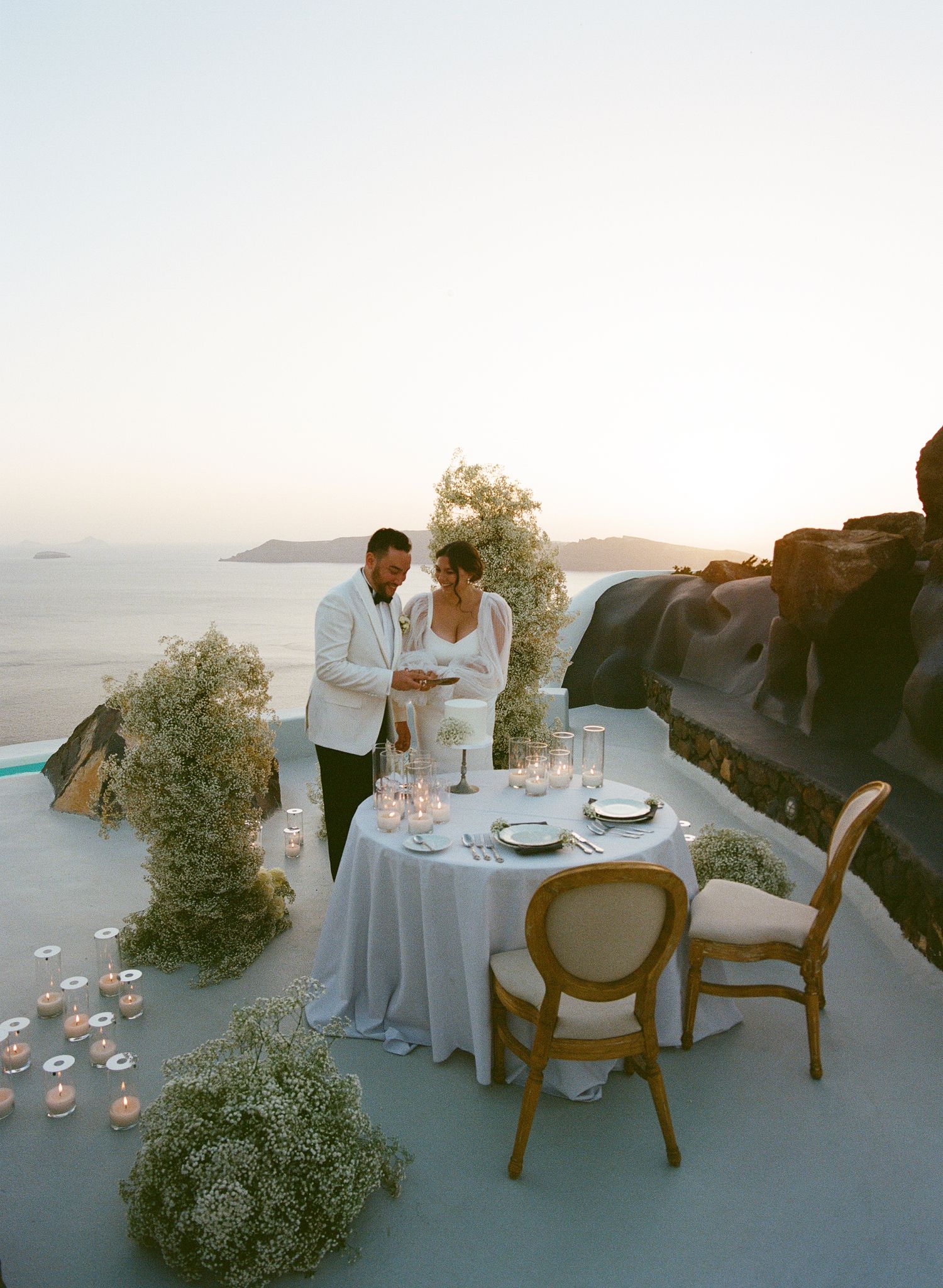
Film is often reintroduced into wedding photography as a response to demand or fatigue with the saturation of digital images. What is less obvious is that its value is often reduced to its appearance.
The softness, grain, and tonal shifts associated with film are real, but they are not the reason it matters. They are inherent to the medium.
What matters is the way the image is made. The roll is finite, the image cannot be checked immediately, and once exposed, the frame cannot be endlessly corrected. These conditions introduce ritual, limit, delay, and consequence into the act of photographing.
When film is treated only as a visual reference, those conditions fall away. The image may resemble film, but it is no longer shaped by it.
The difference is not technical so much as conceptual. One approach treats film as an aesthetic. The other understands it as a way of working. That distinction is the reason it belongs on a wedding day.
06 — Why Film Persists
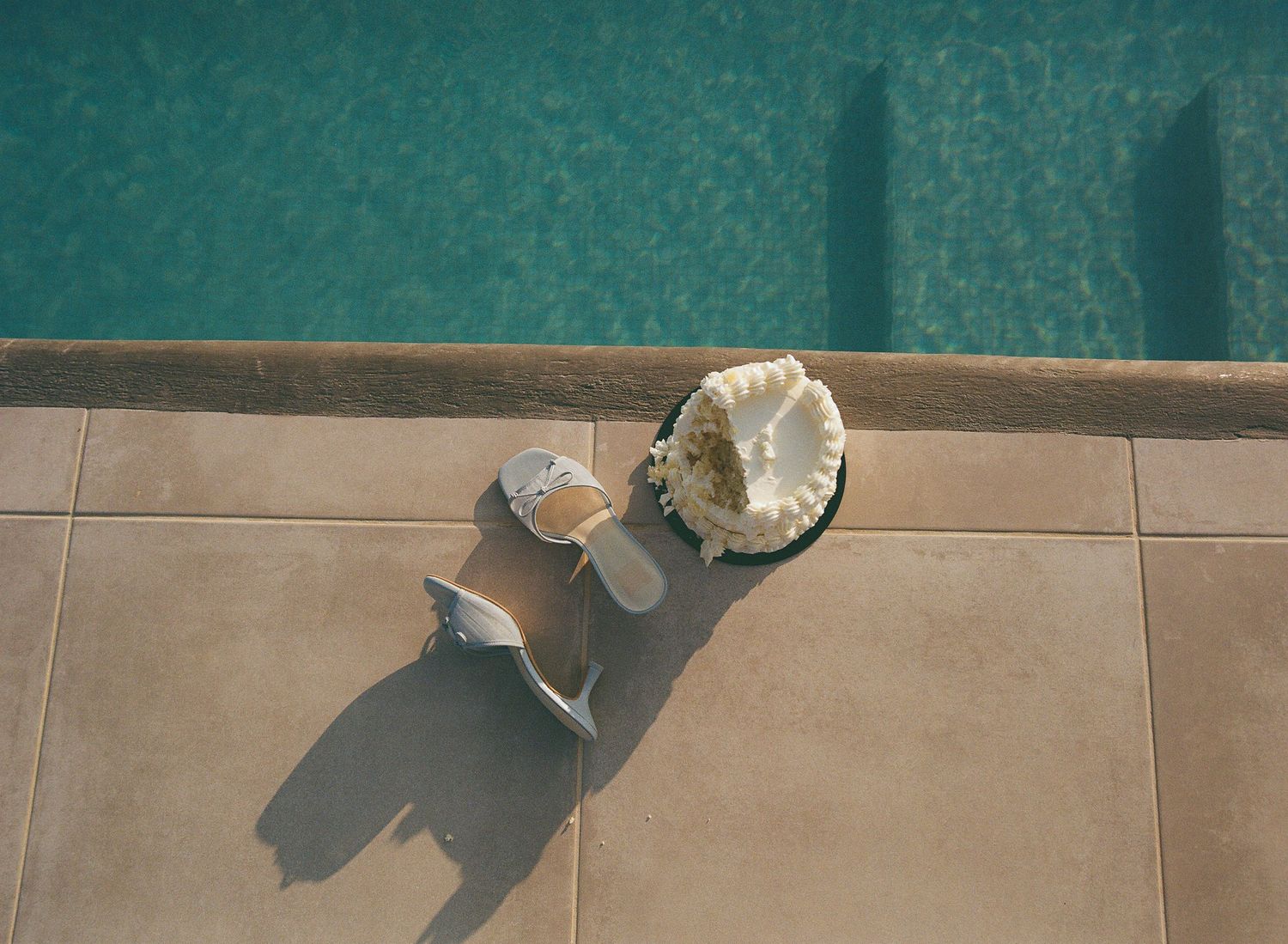
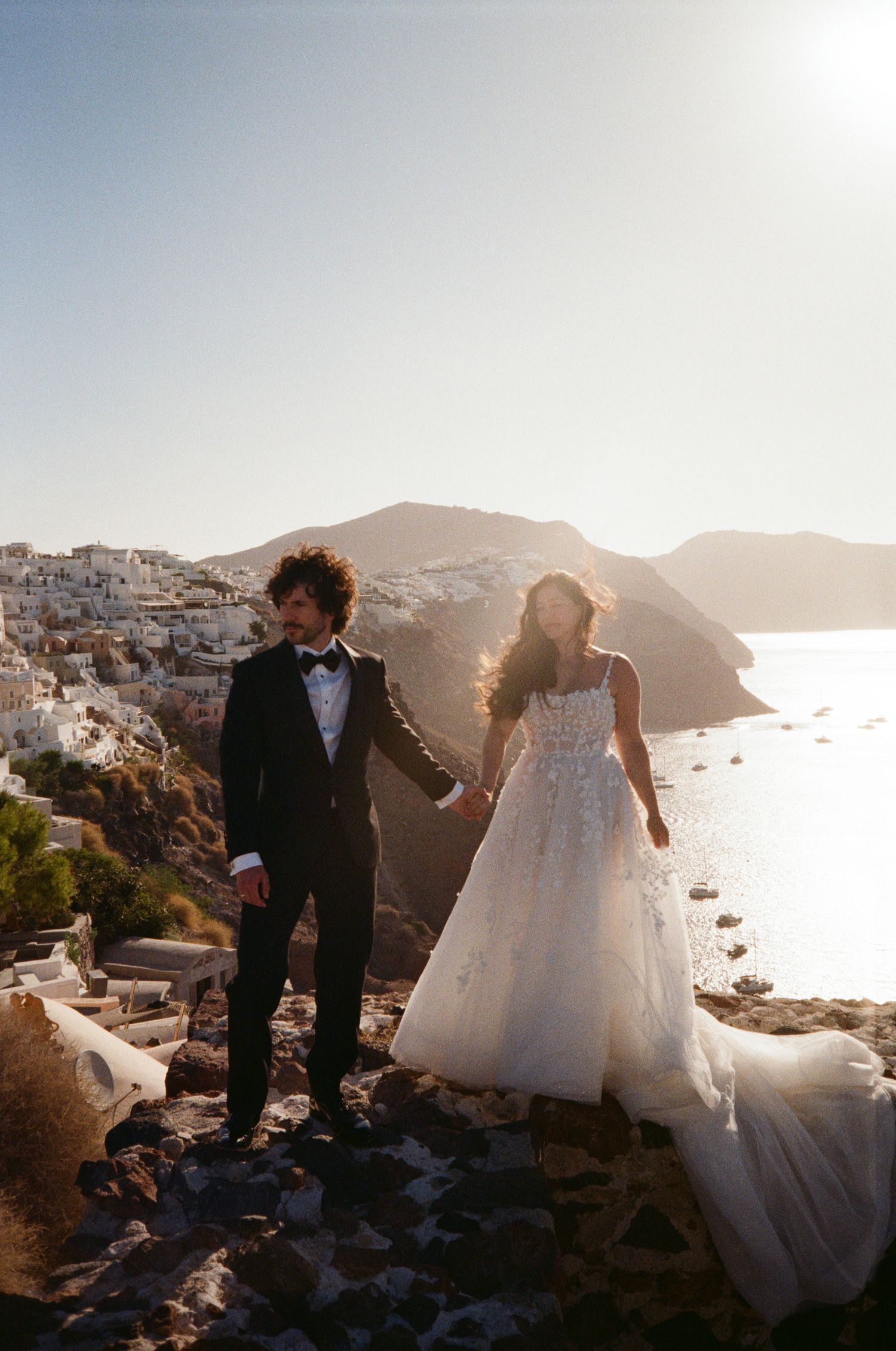
Film has returned to wedding photography, but not because it has become easier. It remains expensive, depends on specialised labs, and exists within a reduced infrastructure.
It now persists under friction. It is slower, less accessible, and more demanding to use, and yet it continues. A medium that survives under those conditions tends to do so because it still holds something that cannot be easily replaced.
In the case of film, that has to do with materiality, process, and permanence. The photograph does not end as a passing image on a screen. It begins as a physical record.
This is not a revival of something lost. Film never fully disappeared. What changed was everything around it.

07 — What Survives
The difference with film is not only in how the photograph is made, but in what it becomes over time.
Film produces an object, not only in the form of a print, but in the negative itself. Something that exists beyond the screen and carries a sense of being kept rather than stored.
Photographs that exist physically tend to be revisited, held onto, and passed along. Over time, they become part of a personal history rather than a collection of files. This is already visible in how people relate to images from earlier generations. The photographs that remain are not valuable because they are complete, but because they have endured.
Each frame in film is chosen, and that decision carries forward. The image does not exist as one option among many, but as a singular record of a moment that was committed to.
Digital images can be printed and preserved, but the difference lies in the conditions under which they were made. When a photograph emerges from a field of many, its value is often determined afterward. With film, that value is established at the moment of capture.
That is where depth begins to form, not in the surface of the image, but in the weight it carries over time and in what it becomes for those who inherit it.
08 — Working Between Film and Digital
Weddings and elopements are photographed using both digital and analogue cameras because they are not doing the same work, and neither should be judged against the other.
Digital carries continuity. It follows the day in full and holds the structure together. Film operates under different conditions. It is slower, more deliberate, and less concerned with following everything than with identifying what should be carried forward.
That is why the two complement each other. Digital is not diminished by film, and film is not there to compete with digital. They are solving different problems.
Together, they create a record that is both complete and deliberate. The work does not end as a gallery alone. Negatives are kept, images are printed, and the record of the day is allowed to exist beyond the screen.

What we leave behind
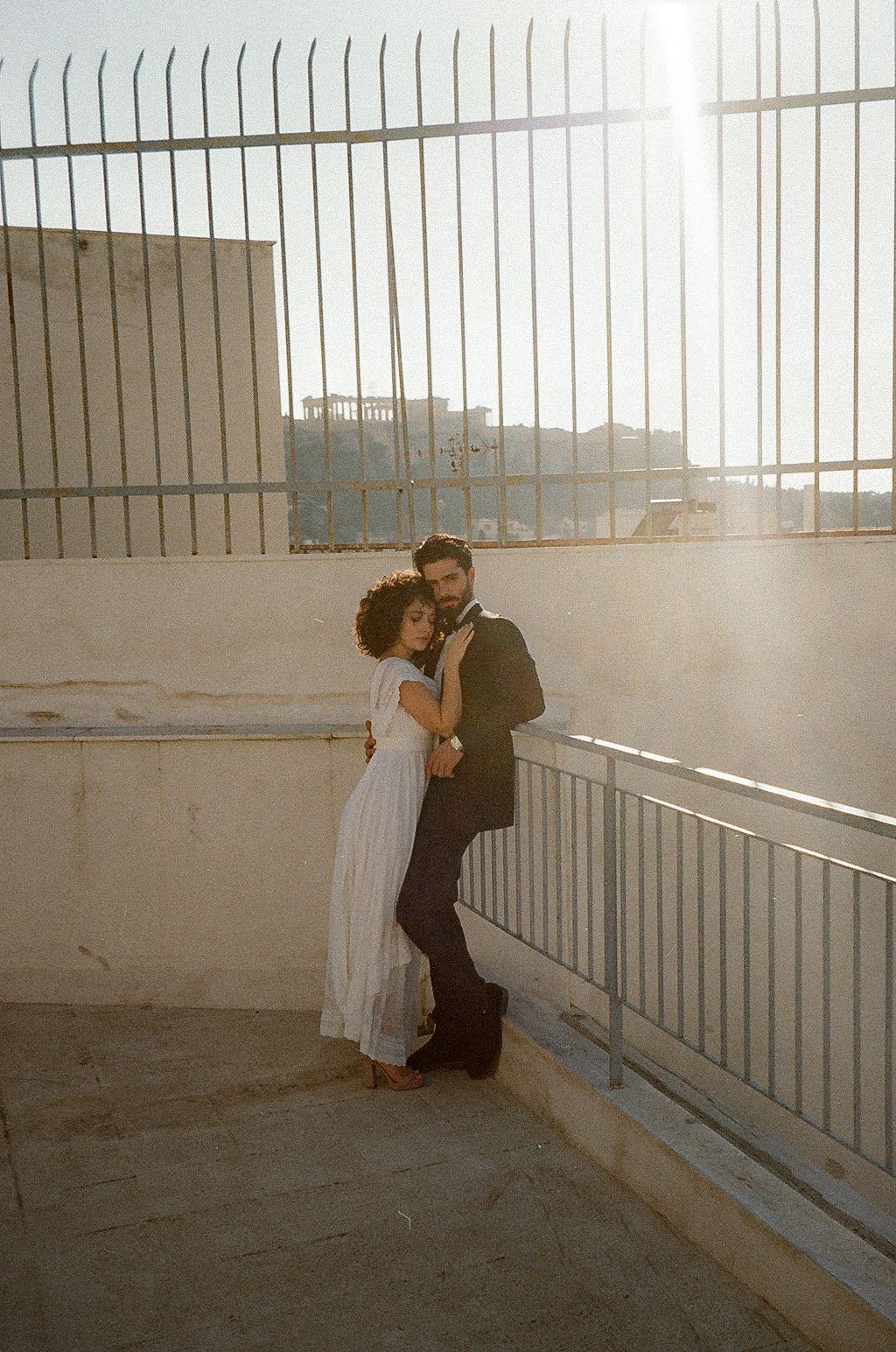
A wedding is not only lived once. It is returned to over time, through the photographs that remain after the day itself has passed.
This is where photography begins to overlap with memory. Memory is never complete. It does not hold everything evenly, and it does not return the past in full. It keeps what was marked, what was held onto, what was given enough significance to remain. Over time, a wedding comes to exist in much the same way. What survives is not the entire sequence of the day, but the images that continue to bear its weight, what kind of archive they form.
An archive is shaped by process, by ritual, and by the conditions under which the photographs were made. When images are given material form, they are more likely to persist. They can be kept, revisited, and carried forward.
This is not only about photographs. It is about what becomes part of your history, and what will be left for those who come after.
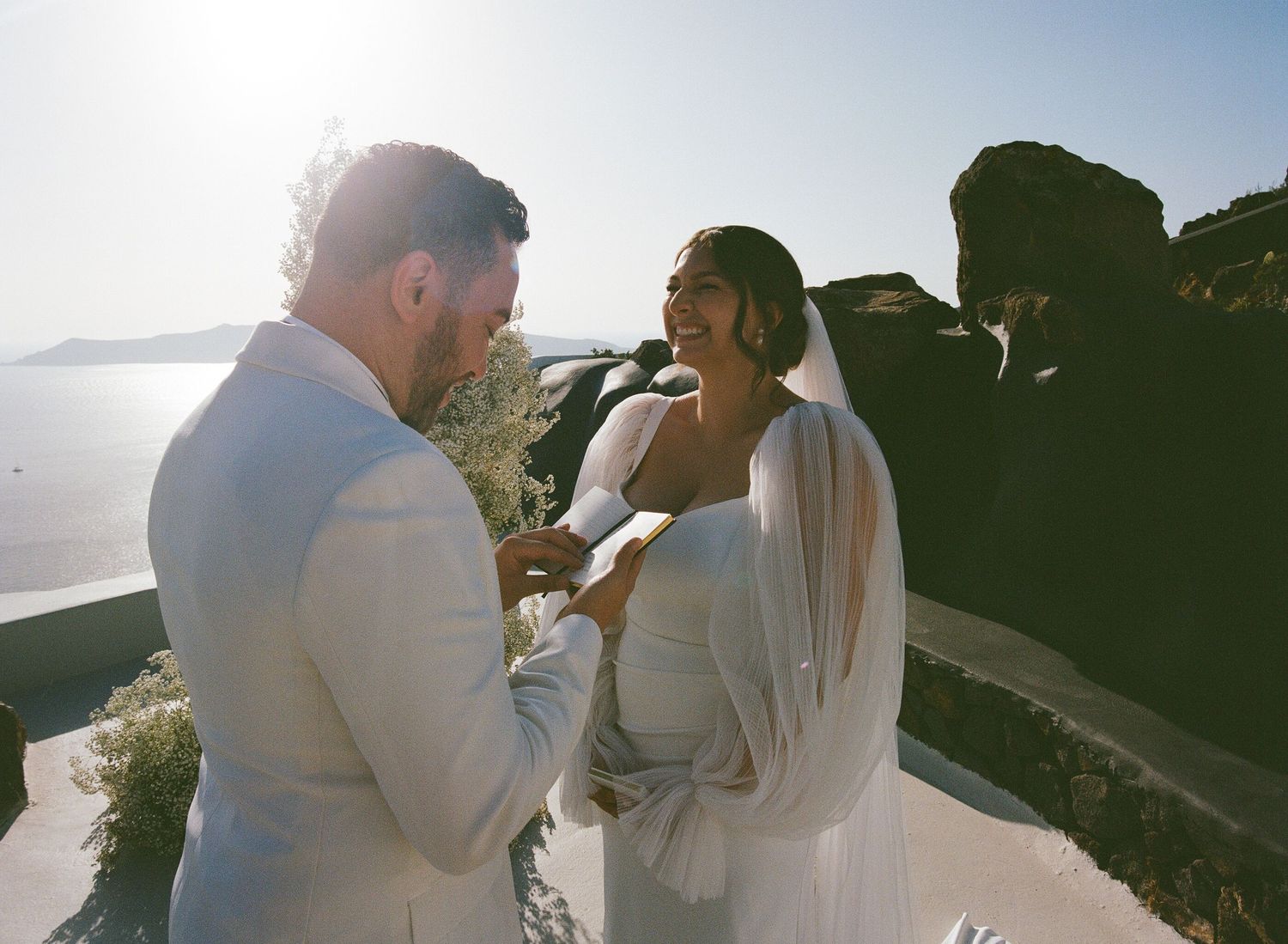
Bonus: Stop Treating Your Photographs Like Content
You spent all this money and emotion making the photographs. Do not let them die on your phone.
- Get them off your phone. Your camera roll is not an archive. It is a holding zone.
- Use the cloud, but do not trust it alone. Cloud storage is useful, not holy.
- Keep at least two copies of your files. One primary. One backup. In different places.
- Update your hard drives every few years. Technology changes. Drives fail. Migrate the archive before it forces you to.
- Make a second backup of that backup. Yes, really.
- Print your images. Albums, books, loose prints, boxes. It does not matter. Just print them.
- Print doubles. One set to live with. One set to store safely.
- Store the second set somewhere protected. Fireproof, waterproof, shockproof if possible. Treat them like they matter.
- Do not rely on Instagram. It is a platform, not a legacy plan.
- Think beyond yourself. Your photographs are not only for you now. They are for the people who come after you.
An archive is not created when the gallery is delivered.
It is created by what you keep, where you keep it, and whether anyone will still be able to find it later.